Grease Trap Service Essentials: Keeping Food Service Operations Clean and Code-Compliant
Business Name: Elite Sanitation Services
Address: Saucier, MS 39574
Phone: (228) 297-4850
Elite Sanitation Services
Since 2016, Elite Sanitation Services has been the premier provider for all your sanitation needs. We deliver comprehensive solutions. Our expert team ensures seamless service for events and construction sites, handling everything from septic system services to grease trap pump-outs and jetting services. We are dedicated to providing superior sanitation services with unmatched reliability and professionalism.
Saucier, MS 39574
Business Hours
Grease management is not attractive, but it may be the most important back-of-house practice your kitchen develops. When a dining-room is full and tickets are flying, the last thing you require is a sluggish sink, a sour odor drifting through the pass, or a health inspector requesting for maintenance logs you do not have. A well run grease trap program prevents stopped up lines, keeps you on the best side of local codes, decreases emergencies, and conserves money you would otherwise spend on restorative plumbing.
I have opened dining establishments the old fashioned method, with a taped layout and a head full of hope, and I have been in the mechanical room on a holiday weekend while a dish pit backed up. The distinction in between those 2 nights came down to a couple of useful choices made months earlier. This guide covers what I have seen work across quick-service counters, full service kitchens, commissaries, and pastry shop plants: how grease traps function, how frequently they actually need service, what an expert grease trap company does, and what your group can deal with in house.
What a grease trap really does
Kitchen wastewater carries a mix of fats, oils, and grease, normally shortened to FOG. Warm water and cleaning agents can keep FOG suspended for a brief time, but as the water cools, grease separates and drifts. A grease trap or interceptor is a settling device in the drain line that slows the circulation, offers FOG time to increase, and records it so cleaner water passes downstream. The goal is simple: keep FOG out of your drains and the local sewage system, where it causes blockages and fines.
Small indoor traps are often passive gadgets under a sink or flooring drain. Larger outside interceptors can be 750, 1,000, or 1,500 gallons and sit between the structure and the local tie-in. Both have baffles that control flow and avoid grease from getting away downstream. When grease builds up past a limit, efficiency drops sharply. The trap begins pushing grease into your lines, and you get what every cooking area supervisor fears: a backup at peak hour.
There is a basic rule that the majority of codes accept. When the combined grease and solids volume reaches 25 percent of the trap's working volume, it is time to pump and clean. I have actually seen kitchens extend past that mark believing they were conserving cash, then pay a several of the savings to a plumber on a Saturday night.
Codes set the floor, not the ceiling
Requirements differ by city and county, but the pattern is consistent. Local pretreatment ordinances prohibit releasing oil and grease above a set limitation, frequently 100 to 250 mg/L at the sampling point. They require installation of a correctly sized grease trap or interceptor and expect documentation of regular maintenance. Some jurisdictions need manifest slips for each pump out, kept on website for two to three years.
Do not rely only on a permit plan evaluate from years back. If you are altering menu volume, including a tilt skillet, or relocating to a commissary model, verify whether your current device still fits the load. Regulators appreciate your real discharge, not what as soon as worked for a smaller line. I have had inspectors accept a 90 day frequency on paper, then request for a 60 day schedule when a compliance sample returned oily after a seasonal menu added more fried items.
Two useful actions make assessments smoother. First, keep a binder or digital folder with your maintenance logs, waste manifests, and the trap's as-built or spec sheet. Second, mark the interceptor lids and make certain personnel know where they are. An inspector who can verify records and access the device quickly is an inspector who proceeds quickly.
Sizing and load: get this wrong and you chase after problems
The right size depends on fixture flow rates and cooking load. A little pastry shop with a three-compartment sink and minimal fryers can get by with a compact under-sink unit. A sit-down dining establishment with a hectic dish device, preparation sinks, and a fryer bank typically requires a bigger in-line trap or an outside interceptor. Commissaries and food halls that serve multiple ideas usually require a big outdoor unit.
Undersized traps fill too quick, so even with frequent pumping they toss grease past the baffles. Oversized systems can go anaerobic and turn septic if you do stagnate enough water through them, specifically in seasonal operations. If you acquired a website and do not know the sizing, a great grease trap provider can determine dimensions, estimate volume, and recommend based upon your ticket counts and devices list. That 10 minute discussion often conserves months of frustration.
I like to calculate anticipated loading in pounds weekly utilizing purchase logs for oil and butter, then peace of mind examine the number against trap volume and turnover. If you are going through 200 pounds of frying oil per week and your under-sink system is 20 gallons, a month-to-month schedule is not sensible. You will remain in there every 2 to 3 weeks or you will be dealing with callbacks and line clogs.
What an expert grease trap company in fact does
Good suppliers do more than vacuum a tank. They provide a complete grease trap service that restores capacity, documents disposal, and helps you avoid repeat problems. Expect an appropriate pump out to include more than a fast skim.
Here is a simple step-by-step of a comprehensive service carried out by a respectable grease trap company:
- Locate and expose the trap or interceptor covers, aerate if needed, and verify safe conditions for entry. Outside tanks are restricted areas, so trained techs utilize gas displays and follow safety procedures.
- Measure and record grease, water, and solids levels before pumping. This pre-pump reading works for tracking fill rates and adjusting frequency.
- Pump out all contents, not just the grease cap, then scrape and wash down walls, baffles, and the cover to remove stuck material. Techs will also get rid of and clean detachable tees and baskets.
- Inspect the inlet and outlet baffles, gaskets, and structural stability. Keep in mind fractures, missing tees, corroded hardware, or displaced baffles that can short-circuit flow.
- Reassemble, fill up the trap with clean water to restore the hydraulic seal, and provide a manifest that lists volumes, disposal site, and any repair recommendations.
If your vendor can not discuss their process or dislikes water refill due to the fact that it adds time, you will end up with odor complaints and poor separation. Water is part of the system. A trap returned to service empty becomes a stink box.
How often should you pump and clean
The calendar answer is simple to quote and frequently wrong in practice. Numerous cooking areas do well on a 30 to 60 day period for small indoor traps, and 60 to 90 days for outside interceptors. Buffets, high fry volumes, and barbecue ideas trend much shorter. Sushi and salad heavy menus pattern longer. The trap does not care what a design template says, it cares just how much grease it receives.
Use the 25 percent guideline as a measuring stick for the very first couple of cycles. Ask your grease trap company to tape-record pre-pump levels for the very first three services. If you struck 25 percent before your scheduled date, reduce the interval. If you are regularly listed below 15 percent, you can likely extend by a couple of weeks. The ideal schedule spends for itself with fewer emergencies and longer drain life.
Watch for seasonal swings. College town? Expect a peaceful summertime and a spike in September. Beach destination? Inverse pattern. Caterers and food trucks that use a commissary kitchen area will fill traps in bursts around occasion seasons. Develop the rhythm around the calendar you really live.
The distinction in between traps and interceptors
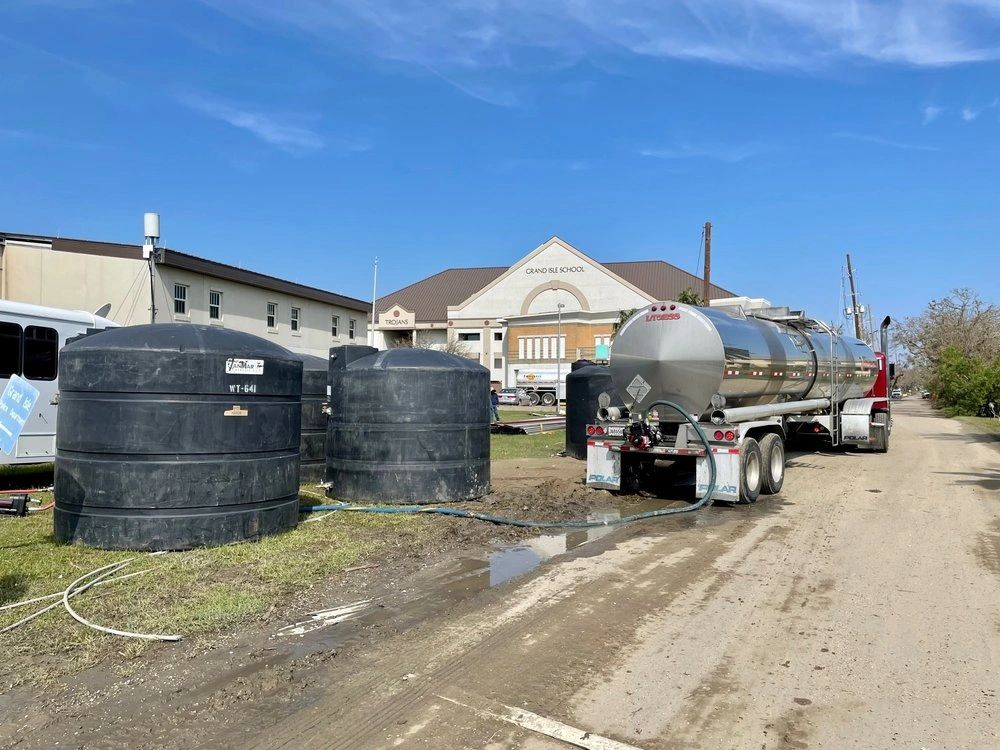
People use the terms interchangeably, but the devices behave in a different way. A compact in-line trap may have a working volume measured in 10s of gallons. It fills rapidly, is accessible, and can be cleaned without heavy equipment. An outside interceptor holds hundreds to countless gallons, records a great deal of load, and needs a pump truck to service.
I have seen staff try to fix a sluggish interceptor by excessive using emulsifying cleaning agents upstream. It appears like a quick win due to the fact that sinks start to stream. The grease is not gone. It moved deeper into the line and can set up downstream where it is far harder to reach. The best fix was a proper pump out and a frank discuss cooking area practices.
Kitchen practices that make grease traps work better
The most affordable method to maintain a trap is to slow the amount of FOG you send out into it. A few front-line habits add up. Scrape plates and pans into the garbage before cleaning. Use sink strainers and empty them frequently. Train personnel not to dispose fryer oil into sinks, ever. Maintain your dishwasher and pre-rinse nozzles so you are not blasting grease deeper into the line. Keep a labeled drum or carry in the getting area for utilized fryer oil and deal with a recycler. Your grease trap company might even coordinate recycling and credit you a few cents per pound.
Avoid caustic drain openers and heavy emulsifiers as a routine crutch. They can heat up and liquefy grease short-term, then let it re-solidify further down. Enzyme and germs additives are struck or miss out on. In small traps with stable flow they can help in reducing residue, but they are not a replacement for mechanical elimination. If you wish to attempt them, do it together with measured pumping periods and check results in your logs.
Simple front-of-house checks that avoid back-of-house headaches
A supervisor's walkthrough can spot little problems before they end up being service calls. You do not require to open lids or get filthy, just keep your senses on.
- A brand-new sour or rotten egg smell in the meal location frequently points to a dry trap, missing gasket, or lid not seated after a current service.
- Slow drains at numerous fixtures mean downstream buildup, not simply a regional sink obstruction. Call your supplier before a busy weekend.
- Gurgling sounds when a dishwasher discards might mean the outlet tee is loose or missing. That can push grease downstream.
- Grease sheen at a parking area cleanout indicates the interceptor is past due or a baffle has failed.
Note patterns and pass them to your grease trap cleaning service provider with dates and times. Excellent notes reduce diagnostic time.
What an excellent maintenance log looks like
A paper log on a clipboard near the manager's office works fine, as long as it is utilized. A spreadsheet or app is even much better if you run multiple places. Each entry must note the date, vendor, pre-pump grease https://jsbin.com/fuzumetidi percentage if offered, volume got rid of for big interceptors, disposal manifest number, and any concerns found. I like an easy notes field to record what line cooks observed that week. That scrap of context frequently discusses why fill rate surged, such as a catering push or a fryer leak.
When you bid out services, vendors who request for your previous two to three cycles of logs are most likely to set an honest schedule. Suppliers who quote a rock-bottom rate without seeing your operation frequently make it up in trip adders and emergency situation fees.
Choosing the right grease trap company
Price matters, however a low sticker label can cost more in the long run if you see repeat clogs or bad documentation. Try to find a performance history in your city, proof of disposal at allowed facilities, and specialists who understand both indoor traps and outside interceptors. Ask whether their grease trap service includes complete pump out, baffle cleaning, water fill up, and a post-service checklist. Insurance and security certifications are nonnegotiable if they will service large outdoor tanks.
Ask about reaction times for emergency situations. A vendor with a night and weekend truck is worth a modest premium when you lose a Saturday to a backup. If your building has tight gain access to, validate their tube length and whether they can service from the street without obstructing your entire lot. City inspectors tend to understand the reputable operators. Without calling names, I have had more consistent experiences with companies that invest in tech training and path planning than with clothing that deal with grease trap cleaning as an afterthought to septic work.
Costs and what drives them
Expect small indoor trap cleanings to run in the series of 100 to 300 dollars per go to depending upon area, access, and frequency. Large outdoor interceptors differ commonly, usually 300 to 1,200 dollars per pump out, driven by tank size, volume removed, and tipping charges at the disposal center. Travel distance, after-hours service, and challenging access can add surcharges.
If a quote seems too excellent, examine what is included. I when investigated an area that paid for an inexpensive skim service. The supplier got rid of the floating grease layer but left the settled solids and did not clean baffles. The trap hit the 25 percent threshold in two weeks anyhow, and downstream lines kept plugging. The higher priced vendor who did a complete every six weeks really cost less over the quarter when you factored in prevented pipes calls.
Repairs and when to replace
Traps and interceptors are easy gadgets, however parts do use. Gaskets on indoor units dry and crack, triggering smells. Baffle tees can remove and rattle loose. Outdoor concrete tanks can develop cracks, and steel lids rust. A good technician will flag little problems before they intensify. Replacing a gasket or a tee is a modest cost and a simple add-on to a scheduled service. Replacing a stopped working interceptor is a capital task with permits and site work. Do not put off little fixes if you want to prevent huge ones.
I have actually also seen old traps installed backwards, with inlet and outlet reversed. Symptoms include turbulence, consistent smells, and bad separation no matter how typically you clean. A fast inspection and re-pipe solved what had appeared like a curse.
Special cases: food trucks, ghost kitchen areas, and seasonal venues
Mobile systems and ghost kitchen areas toss curveballs. Food trucks often count on commissary kitchen areas for wastewater disposal. Make certain the commissary's trap can deal with the bursts of flow when numerous trucks return simultaneously. Stagger dump times if required. Ghost kitchens load numerous high-output menus into compact footprints, which can overwhelm a little shared trap. In those areas, a greater service frequency and stringent pre-scrape policies are the only method to stay ahead.
Seasonal places, from ballparks to ski resorts, endure banquet and famine. In the off season, traps can go septic if left idle. Schedule a pump out before shutdown, refill with water, and prepare an early season service before the very first rush. A small dosage of authorized deodorizer after cleaning can help during long idle durations, however consult your vendor to avoid chemicals that harm downstream treatment plants.
Odor control without gimmicks
Most trap smells trace to among 3 causes: a dry trap without a water seal, disintegrating solids due to the fact that the pump-out interval is too long, or a bad gasket. Repair the root cause first. Water refill after service is essential for indoor traps. On outside interceptors, make certain lids seat well and vents are clear. Activated carbon filters on vents can help near patios, but they are a bandage. If you smell sulfur, check for a missing or broken cleanout cap.
Avoid putting bleach into a trap. It will eliminate handy bacteria downstream and can produce risky gases in confined spaces. If you need to deodorize, utilize products developed for grease systems in modest amounts and as part of a schedule that moves product out regularly.
What takes place to the grease after pump out
This is not simply trivia. Regulators ask, and your guests care. Pumped material gets transported to allowed facilities. There, FOG is separated and can be processed into biofuel feedstock or utilized in anaerobic digestion to create biogas. The staying water is treated. Your manifest documents that chain. Deal with a supplier that handles waste responsibly and can explain their disposal course. If a cost is dramatically lower than rivals, stress over where the waste is going.
Recycled fryer oil is a different stream, typically collected in a devoted container, not from the trap. Keeping those streams different is much better for your wallet and the environment. Some recyclers use rebates for clean yellow grease. Trap waste, packed with food solids and water, costs cash to process.
Training the team without overcomplicating it
New employs should learn three basics on day one. Scrape food into the trash before the sink. Never pour fry oil down a drain. Report sluggish drains and smells to a manager instantly. That is it. If you embed those practices and hang an easy sign near the dish pit, your grease trap will currently be ahead of the average.
Managers ought to know the service schedule, where the trap or interceptor is located, and how to check out the last manifest. A five minute huddle before a hectic season goes a long way. I like to set calendar suggestions a week before each arranged service to validate access with the supplier, clear parked automobiles from interceptor covers, and prep personnel that a tech will be on site.
A quick supervisor's checklist for the week
- Look over the maintenance log and verify the next grease trap cleaning date is on the calendar.
- Walk the meal area and the interceptor covers outdoors, checking for brand-new odors or standing water.
- Verify strainers remain in location at sinks and that personnel are scraping plates before washing.
- Confirm the used oil container is not overruning and covers are protected to discourage pests.
- If you had a menu shift or a big catering push, flag it in the log so your grease trap company can change frequency if needed.
Keep it simple, keep it consistent, and the system will treat you well.
Emergencies occur, here is how to restrict the damage
If you get a backup, isolate the location, stop the dishwasher, and keep solids out of the flood. Do not start discarding chemicals into the sink. Call your grease trap service provider and your plumber. If you have an outdoor interceptor, clear access to the covers so a pump truck can reach them. Keep the health department number helpful in case you need guidance on cleanup requirements for sanitary backflows.
After the instant crisis, do a short postmortem. Inspect the log for last service date, ask the vendor what they found, and change your schedule or practices. Emergencies are costly instructors. Get every lesson they offer.
The bottom line
Grease control is part mechanical, part behavioral, and totally workable with a wise routine. Select a qualified grease trap company that records their work. Set a service period based on your real load, not a guess. Keep simple logs and train the basics. Look for little indications and repair little issues before they snowball. Do those few things dependably and you will keep sinks flowing, inspectors happy, and weekend service on track.
Nobody opens a restaurant since they enjoy baffles and manifests. Yet the places that last treat these information with regard. When the dish pit hums, the line sings, and you are not thinking of what happens under the floor, that is the quiet reward of a grease trap program that works.
Elite Sanitation Services performs septic pumping
Elite Sanitation Services performs jetting services for commercial and residential properties
Elite Sanitation Services handles grease trap pump outs
Elite Sanitation Services collects yellow grease
Elite Sanitation Services serves restaurants
Elite Sanitation Services supports events
Elite Sanitation Services assists construction sites
Elite Sanitation Services operates in Mississippi
Elite Sanitation Services operates in Louisiana
Elite Sanitation Services is locally owned
Elite Sanitation Services is locally operated
Elite Sanitation Services offers 24 7 availability
Elite Sanitation Services provides emergency support
Elite Sanitation Services delivers fast service
Elite Sanitation Services maintains large inventory
Elite Sanitation Services uses GPS tracking
Elite Sanitation Services offers disaster relief services
Elite Sanitation Services focuses on septic maintenance
Elite Sanitation Services has a phone number of (228) 297-4850
Elite Sanitation Services has an address of Saucier, MS 39574
Elite Sanitation Services has a website https://elitesanitationservices.com/
Elite Sanitation Services has Google Maps listing https://maps.app.goo.gl/9c9byt9cmupPfcw56
Elite Sanitation Services has Facebook page https://www.facebook.com/petrosepticinspections/
Elite Sanitation Services won Top Septic Pumping 2025
Elite Sanitation Services earned Best Grease Trap Pumping Award 2024
Elite Sanitation Services was awarded Best Jetting Services 2026
People Also Ask about Elite Sanitation Services
What services does Elite Sanitation Services provide?
Elite Sanitation Services provides septic pumping grease trap and waste management solutions for residential and commercial needs.
Where does Elite Sanitation Services operate?
Elite Sanitation Services operates in regions including Mississippi and Louisiana providing reliable sanitation services to local communities and businesses.
Does Elite Sanitation Services handle septic tank pumping?
Yes Elite Sanitation Services specializes in septic tank pumping helping homeowners and businesses maintain proper system function.
Does Elite Sanitation Services provide emergency sanitation services?
Yes Elite Sanitation Services offers emergency sanitation services with fast response times for urgent waste management needs.
What industries does Elite Sanitation Services serve?
Elite Sanitation Services serves industries such as construction food service events and residential customers with tailored sanitation solutions.
Does Elite Sanitation Services clean grease traps?
Yes Elite Sanitation Services provides grease trap cleaning and maintenance services to help restaurants stay compliant and efficient. Including jetting services.
Is Elite Sanitation Services locally owned?
Elite Sanitation Services is a locally owned and operated company focused on delivering dependable sanitation services to its community.
What are jetting services offered by Elite Sanitation Services?
Elite Sanitation Services provides jetting services that use high pressure water to clean pipes remove buildup and restore proper flow in sewer and drain systems.
When should I use Elite Sanitation Services for jetting services?
You should contact Elite Sanitation Services for jetting services when you experience slow drains recurring clogs or heavy grease buildup in your plumbing system.
Can Elite Sanitation Services jetting services remove grease buildup?
Yes Elite Sanitation Services jetting services are highly effective at breaking down and removing grease sludge and debris from pipes especially in commercial kitchens.
Are Elite Sanitation Services jetting services safe for pipes?
Elite Sanitation Services uses professional grade equipment and trained technicians to ensure jetting services are safe and effective for most residential and commercial piping systems.
Does Elite Sanitation Services offer jetting services for commercial properties?
Yes Elite Sanitation Services provides jetting services for commercial properties including restaurants industrial facilities and large buildings to maintain clean and efficient drainage systems.
Where is Elite Sanitation Services located?
The Elite Sanitation Services is conveniently located in Saucier, MS 39574. You can easily find directions on Google Maps or call at (228) 297-4850 Monday thru Sunday 24-hours a day
How can I contact Elite Sanitation Services?
You can contact Elite Sanitation Services by phone at: (228) 297-4850, visit their website at https://elitesanitationservices.com/ or connect on social media via Facebook
After dinner at Juan Tequila's in Saucier restaurant operators often depend on Septic Pumping Grease Trap Pumping Jetting Services to support smooth daily operations and busy events.